

Planning Your Book Promotion
Practical Ways to Introduce Your Book to Readers
Your book is finished. Now readers need a way to discover it, understand what it offers and decide whether it is for them.

A book can be available to buy and still be unfamiliar to its likely readers. Promotion closes some of that gap through clear descriptions, useful content and a consistent introduction to the author.
Start with the audience and the resources you have. The following ideas can help you build a manageable plan rather than trying every channel at once.
Why the introduction matters
Readers have limited time and many choices. A clear message helps them see the subject, tone and appeal of your book before committing to a sample or purchase.
Work through these areas and choose the ones that suit your title.
1. Make the book listing clear
Read the listing as someone who has never heard of you. Can they tell what the book is about and why they might want it?
Choose relevant search language. Describe the actual subject and readership. Search terms should help suitable readers find the book, rather than suggest something it does not contain.
Write a useful description. Give the reader enough detail to decide. Aim to:
- Open with the central story or question
- Explain who the book is written for
- Keep the wording specific and easy to follow
- Offer a clear way to read a sample or find the edition
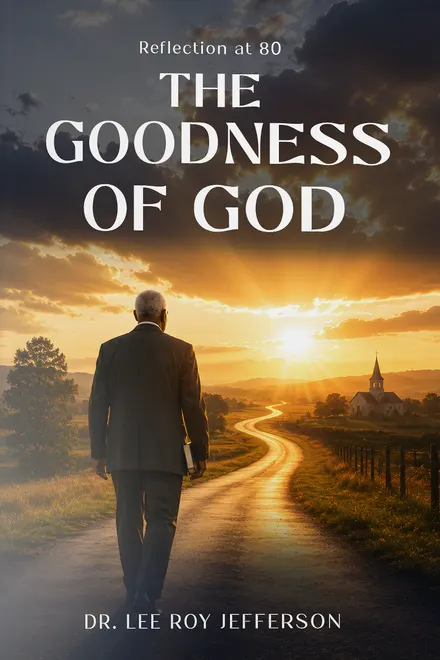
Check the cover at a small size. Online shoppers often see a thumbnail first. Make sure the title is legible and the design suggests the right genre.
2. Choose social channels you can sustain
You do not need to be active everywhere. Start where your likely readers spend time and where you can share material regularly.
Give readers a clear author profile. Use it to:
- Explain the subjects and themes you write about
- Show a useful part of your writing process
- Reply thoughtfully to questions about the book
- Point interested readers towards samples and official links
Use relevant topics and tags. Keep them connected to the book and the conversation rather than adding popular terms that do not fit.
Test paid activity carefully. Agree on a budget, decide what response you want to measure and review the results before extending the campaign.
3. Give readers a home base
Prepare an author website. It gives interested readers a dependable place to find:
- A concise biography and details of your books
- Samples and links to the available editions
- A clear invitation to receive author updates
Invite email signups with a clear purpose. Explain what you will send and let people choose to hear from you. An email list can help you:
- Let interested readers know when a new edition is ready
- Share useful notes about the subject of the book
- Keep a connection between releases without sending constant sales messages
Keep your website and email plans manageable. A small amount of useful, regular communication is a good starting point.
4. Make room for honest reader feedback
Reviews can help readers understand how others experienced a book. Feedback is useful even when it points out something the author did not expect.
Share advance copies with interested readers. You might approach:
- Readers who already enjoy the genre
- Reviewers whose interests match the subject
- Members of your existing reader community
Invite an honest response. A short note at the end of the book or in an appropriate reader update can ask for feedback without pressure.
Keep the process independent. Do not promise rewards for positive opinions or write reviews on someone else’s behalf. Let readers describe their own experience.
5. Plan the release materials together
A simple launch plan connects the announcement, book links and supporting content. Consider these pieces:
Plan the dates. Confirm which release options your chosen channel supports before sharing a date or buying link.
Arrange relevant conversations. Podcasts, author interviews and blog features can introduce the person and ideas behind the book. Pitch a subject that suits each host.
Use promotions with a purpose. Decide what a price offer is meant to achieve and confirm the channel’s current options before announcing it.
6. Review paid promotion before expanding
Keep advertising focused. Use relevant audiences and clear creative material. Compare spend with the response you can observe rather than treating visibility as a sales promise.
Join reader conversations thoughtfully. On book communities, useful participation may include:
- Answer questions about your writing when invited
- Join discussions that are relevant to your subject
- Keep book information accurate and easy to find
7. Check how readers can order the book
Use the distribution channels that suit your editions and plans. Keep listings consistent and discuss options for:
- The print and digital formats your audience uses
- Retail or library channels that fit your publishing plan
- Consistent descriptions, author details and edition information
A campaign you can keep working on
Promotion involves trying, observing and adjusting. If you need help, americanauthors.org can discuss listing copy, launch materials and author content around your book and available budget.