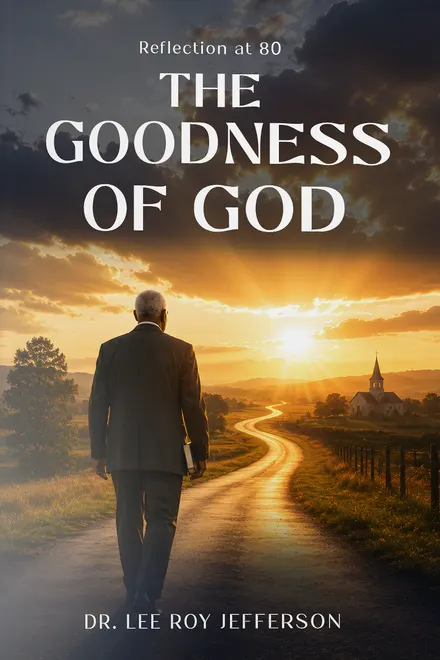

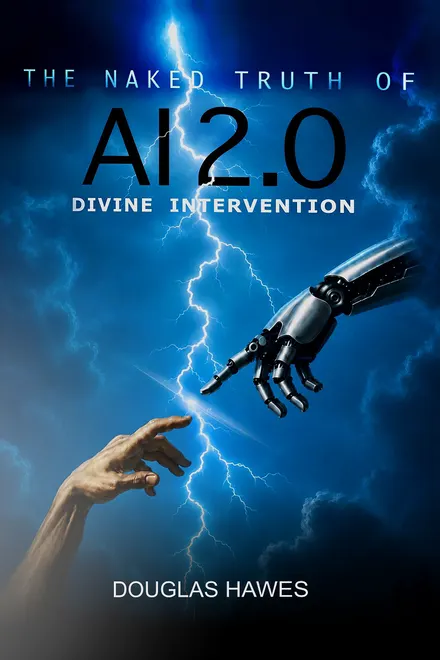
Ghostwriting
Your ideas. Your name. A book we write with you.
You bring the experiences, knowledge or story. We help organise the material and write a manuscript that keeps your voice at its heart.

IEvery book starts somewhere
A book can begin with a conversation.
You may have a folder of notes, a few chapters or a memory you keep returning to. We start with that material and help you work out what the book could become.
It might begin with
- a life story
- an experience
- an idea
- professional expertise
- personal memories
- a fictional concept
- a message you want to share
IIYour voice matters
Writing that feels like it came from you.
We listen to how you explain things, read any samples you share and discuss the tone you want. Early pages give you a chance to tell us what feels right before the draft grows.
Chapter ThreeDraft 2 · p. 41
My father kept his tools in the order he used them. Hammer, then level, then the small brass square he never lent to anyone. I didn’t understand, back then, that he was teaching me how to begin. You start with what you know. You keep what matters close. And you measure twice, because some things you only get to build once.
It took me thirty years and a workshop of my own to hear it properly. Some lessons are only loud in hindsight.
What we listen for
- PersonalityThe way you see things, and what you notice first.
- ToneWarm, dry, direct, reflective, whatever is true to you.
- PerspectiveWhere you stand in the story, and why.
- ExperiencesThe details only you could know.
- RhythmHow your sentences move: short, long, paused.
- MessageWhat you want a reader to carry away.
- Emotional characterThe feeling underneath the words.
IIIThe writing journey
A working plan, from outline to draft.
- I.Conversations
Discover
We discuss the subject, intended readers and material you already have.
- II.An outline
Develop
We agree on an outline and the approach to the writing.
- III.Chapters
Write
We draft chapters around the outline and share work for your review.
- IV.Revisions
Refine
We use your feedback to improve the content, voice and connections between chapters.
- V.A manuscript
Complete
We bring the chapters together into a complete manuscript for the agreed next stage.
IVYour story can take many forms
Different books. The same care with your voice.

- 01
Memoir
Memories and turning points shaped around the part of your life you want to explore.
- 02
Autobiography
Your life story organised into a clear and readable account.
- 03
Business & Expertise
Your practical knowledge and professional experience explained for your readers.
- 04
Self Help
Lessons and ideas developed into guidance readers can follow.
- 05
Fiction
Characters, plot and setting connected across a full story.
- 06
Personal Story
An important experience recorded in the words and tone it deserves.
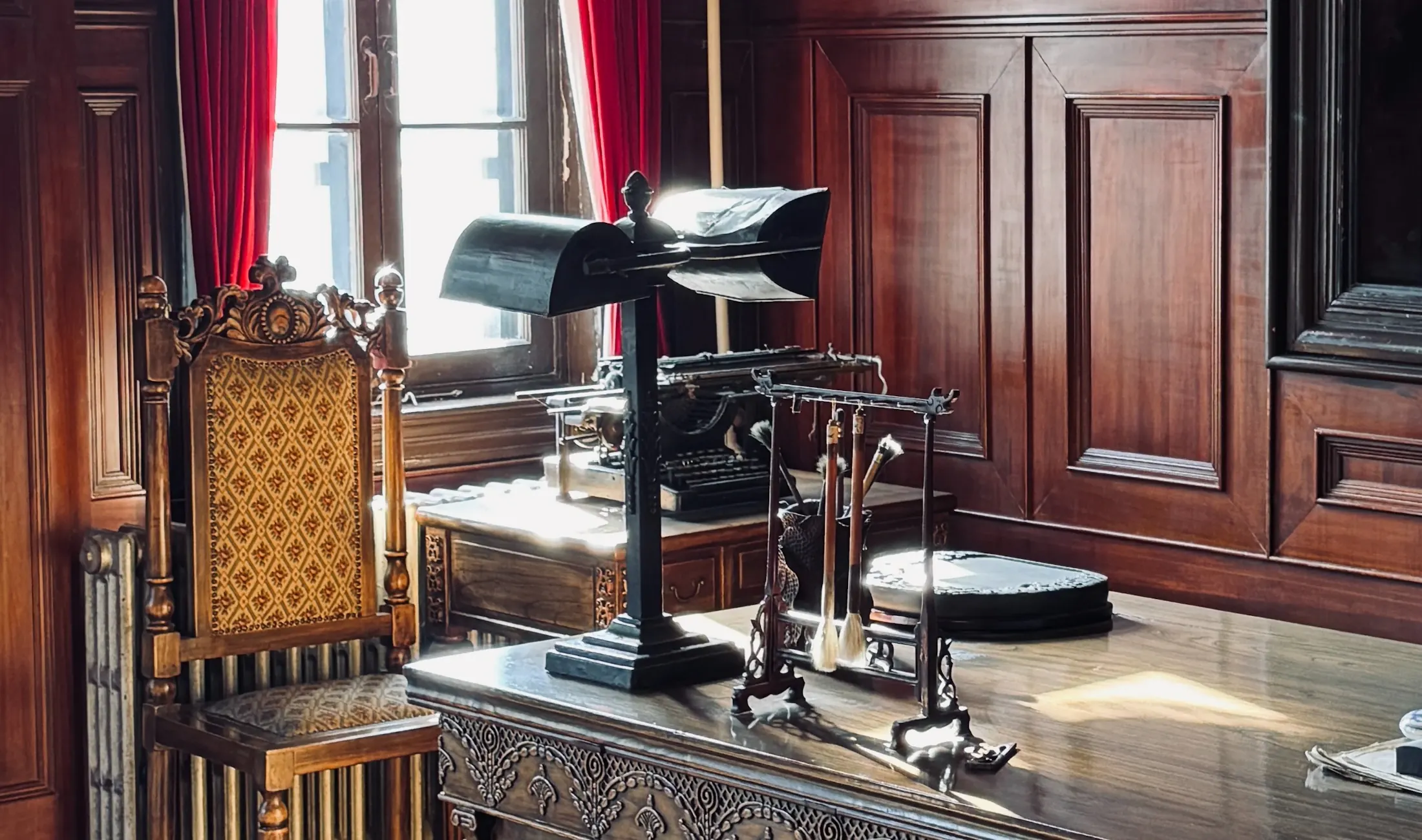
VThe writing room
Time and attention for the writing.
A draft develops through interviews, notes, research and revision. We keep those parts organised so you can focus on the material only you can provide.
- Conversations
- Research
- Writing
- Revision
- Voice
VICollaboration
Bring your story. We will help with the words.
You remain involved in the decisions and reviews. We bring structure, writing time and an outside eye to help the manuscript progress.
You bring
- Your experience
- Your ideas
- Your memories
- Your knowledge
- Your voice
We bring
- Structure
- Writing
- Editorial direction
- Research
- Revision
- Manuscript development
VIIThe finished manuscript
Give your material a complete shape.
The goal is a connected manuscript that reflects your ideas and can move on to editing, design and publication.




VIIIFAQ
Questions about working with a ghostwriter.
What is ghostwriting and how does it work?
A ghostwriter writes on your behalf using your ideas and source material. You discuss the direction, review the draft and publish the finished work under your name.
How will we work together?
We begin with conversations and an outline, then share draft material for feedback. The project scope sets out how interviews, chapter reviews and revisions will work.
Will I retain full rights to my book?
The original terms give you ownership of the completed book and author credit, with no royalties or acknowledgement due to the ghostwriter. Your agreement records those terms for the project.
How long does the ghostwriting process take?
Timing depends on the length, research and material available. We agree on milestones after understanding the book and the time you can give to reviews.
Can a ghostwriter match my writing style?
We use conversations, writing samples and your feedback on early pages to establish a voice that feels familiar to you.
How do I get started with your ghostwriting services?
Tell us about the book, the material you have and who you want to read it. We can then discuss a scope and quote.

Your story is ready
Let’s make time for your book.
A few notes are enough to start a conversation. Share what you have and we will help you consider the next step.