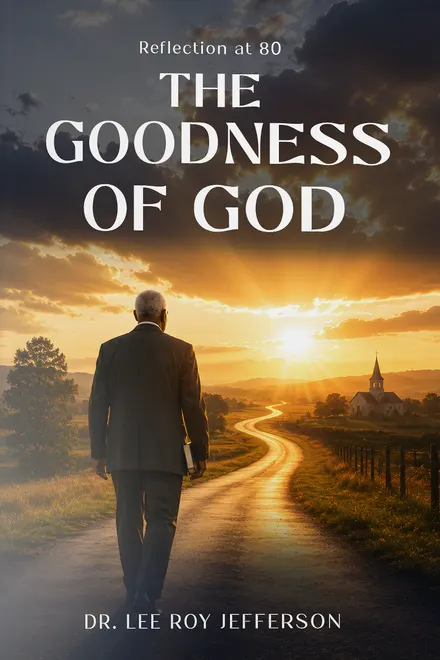

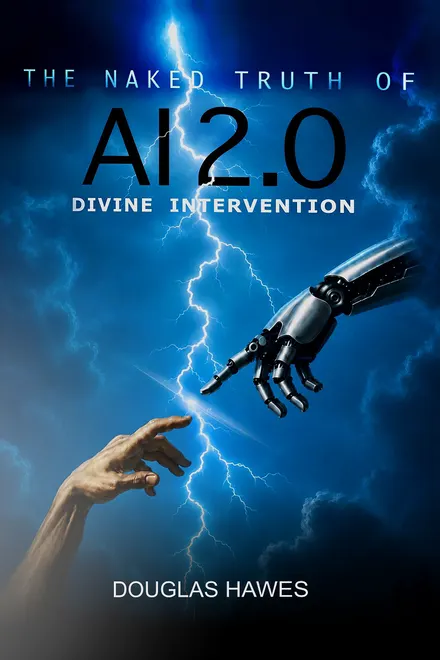
Illustration
Put the world of your book on the page.
We create book illustrations around your characters, setting and readership, from small chapter details to a complete sequence of scenes.


Plate III: The house on Hollin Lane
for The House at the Edge of Winter, a novel by Clara Whitmore
I.The art of storytelling
Pictures can tell part of the story.
A glance, a room or a landscape can say something the text leaves open. We use illustration to support those moments and give readers another way into the book.
ExpressionArchitectureMemoryAtmosphere

II.A curated collection
Explore the possibilities for your pages.
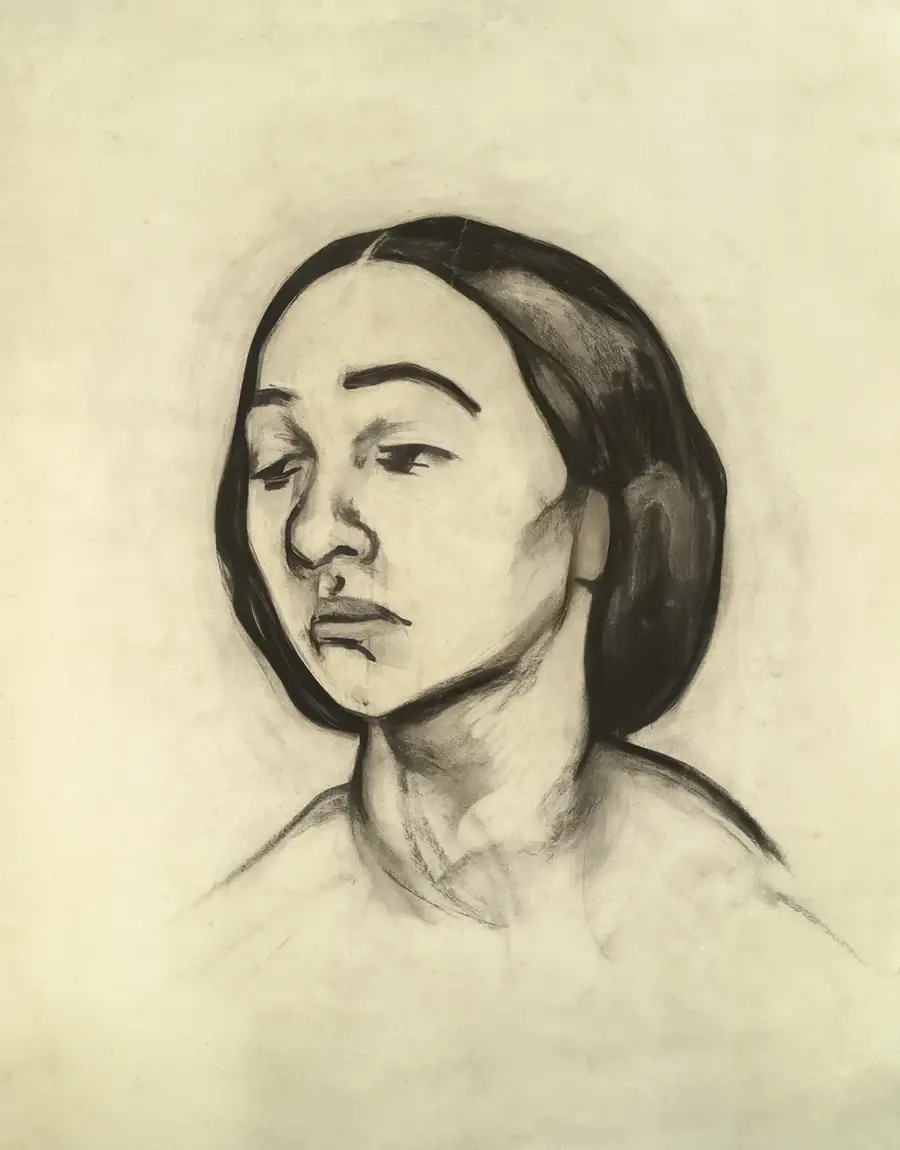
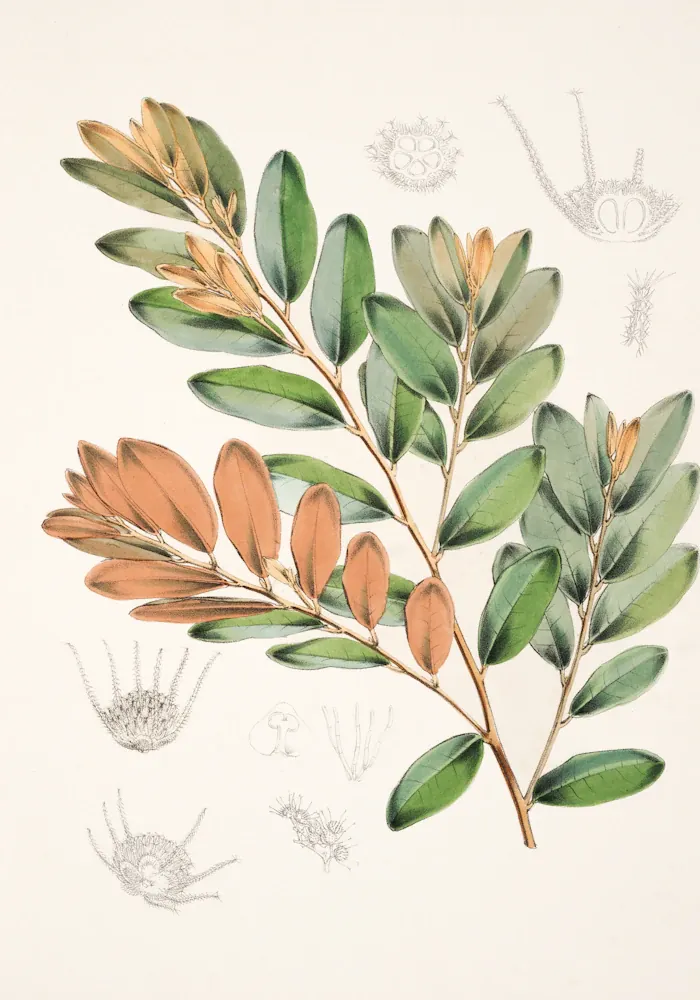
These works from public domain museum and library collections show different approaches to book imagery. They are reference examples rather than client commissions.


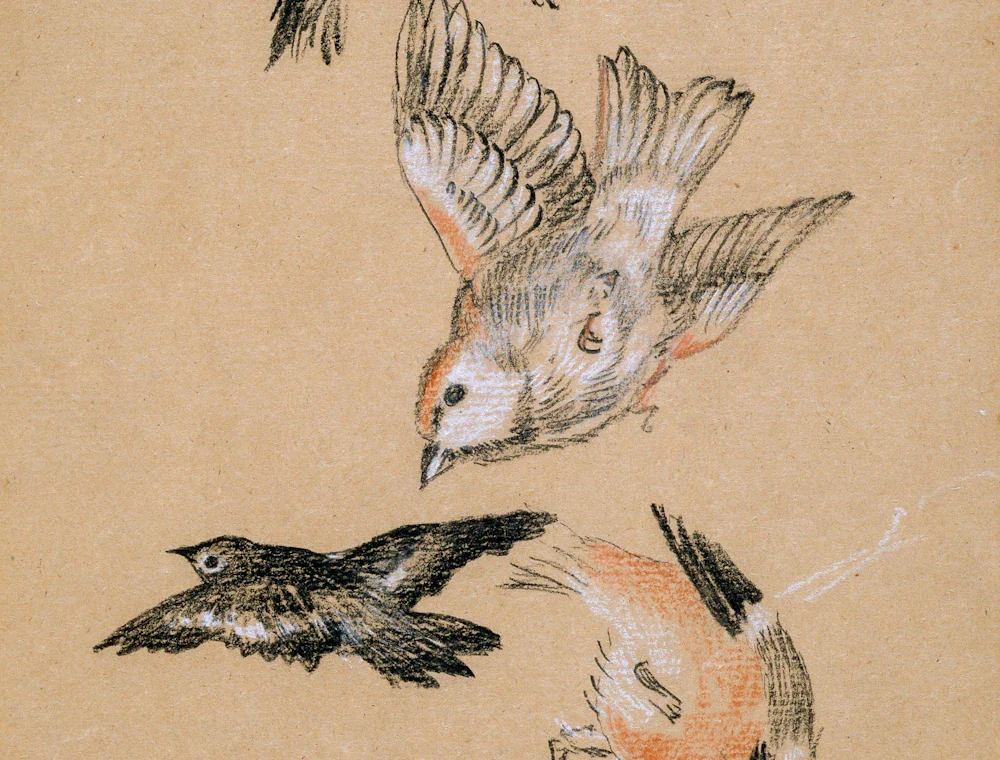

01/Children’s Book Illustration
Characters and settings carried through a connected series of scenes.
III.What we create
Artwork with a place in the story.
- 01
Character Illustration
Characters shaped by their role, personality and expression.
- 02
Children’s Book Illustration
Illustrations planned around the story, page turns and age of your readers.
- 03
Editorial Illustration
Images that give a visual interpretation of an article, essay or idea.
- 04
Story & Scene Illustration
Scenes that show key settings and moments in the narrative.
- 05
Imagined Worlds
Places, buildings and environments that make a fictional world feel consistent.
- 06
Custom Book Illustration
Artwork planned for the specific tone and requirements of your book.
- 07
Spot & Interior Illustrations
Chapter ornaments, small drawings and visual details for the interior.
- 08
Full Illustrated Books
A connected set of illustrations that works across the whole publication.
IV.Our process
A clear process from sketch to artwork.
- 01
Discover
We discuss the manuscript, readership and styles you have in mind.
- 02
Interpret
Together we choose the characters, settings and moments to illustrate.
- 03
Sketch
Rough sketches help us agree on composition before developing the details.
- 04
Develop
We build the selected sketches with colour, texture and clearer forms.
- 05
Refine
We review the artwork with you and work through the agreed changes.
- 06
Deliver
We prepare the illustrations for the print or digital formats in your brief.
V.Sketch to finish
Watch an image take shape.

Plate VII: The village at Hollin Moor
Stage 01
Rough sketch
The first shapes establish the skyline and the position of the buildings.
Leave room above the rooftops
Stage 02
Line work
Line work brings the buildings, doorway and smaller figures into focus.
Soften the distant edges
Stage 03
Colour
Early colour gives the roofs warmth and the sky a cooler tone.
Keep the light areas clear
Stage 04
Final artwork
Colour and texture are balanced with the detail needed for the printed page.
Process demonstration using a public domain watercolour from Europeana to illustrate possible stages.
VI.The details matter
The character of line and colour.
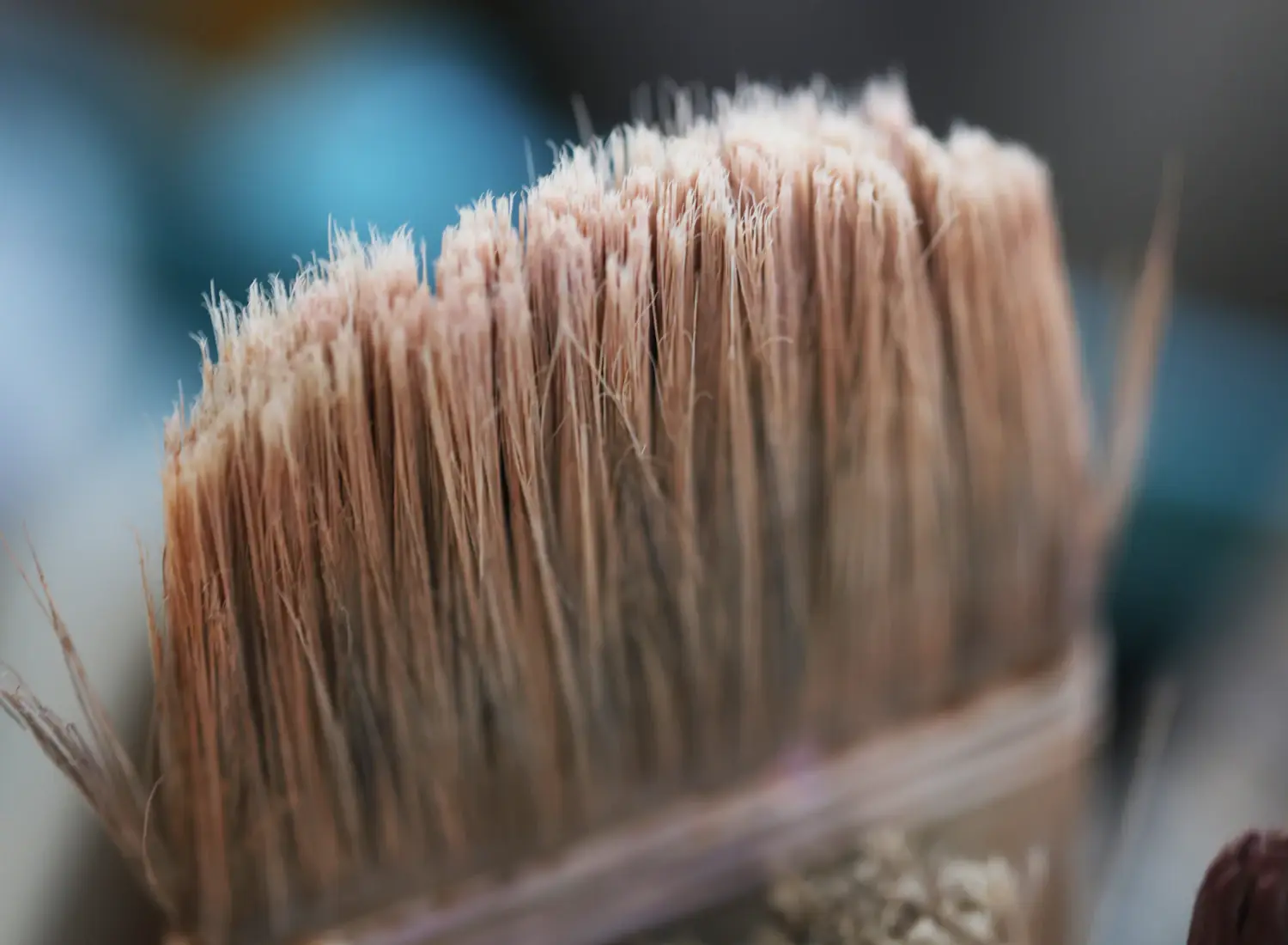
Texture, line weight and the way colour sits on the page all affect the feeling of an illustration. We consider them alongside the subject.
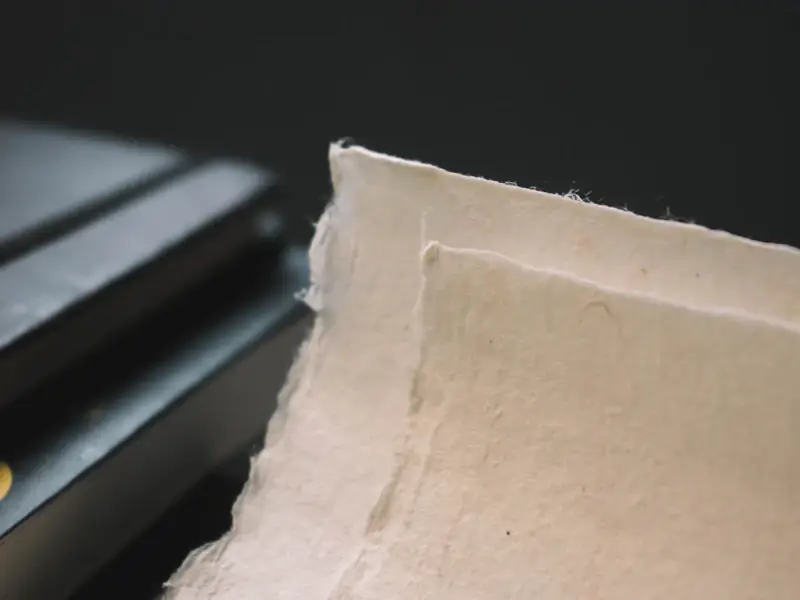
PaperThe surface decides how everything else behaves.

LineWeight, pressure and hesitation, all visible.

ColorMixed, layered and allowed to breathe.
VII.Artistic approach
Find the approach that suits your story.
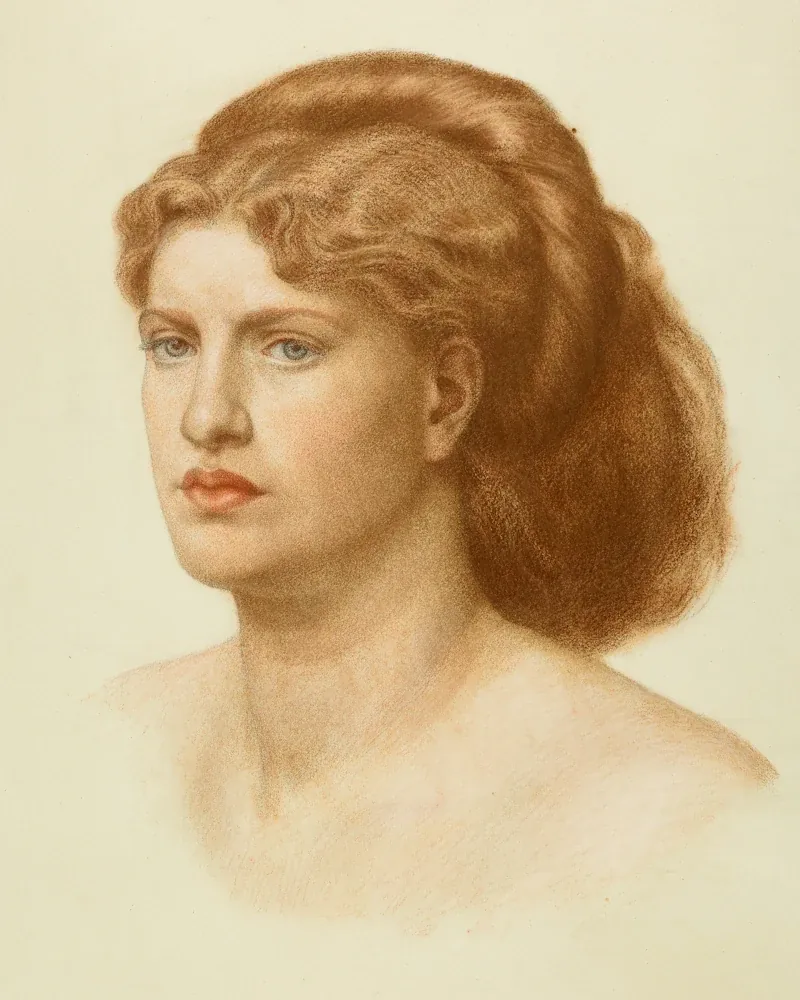
Ink, watercolour, realistic drawing and graphic styles each tell a story differently. The public domain examples here offer a starting point for that discussion.



VIII.Illustration & publishing
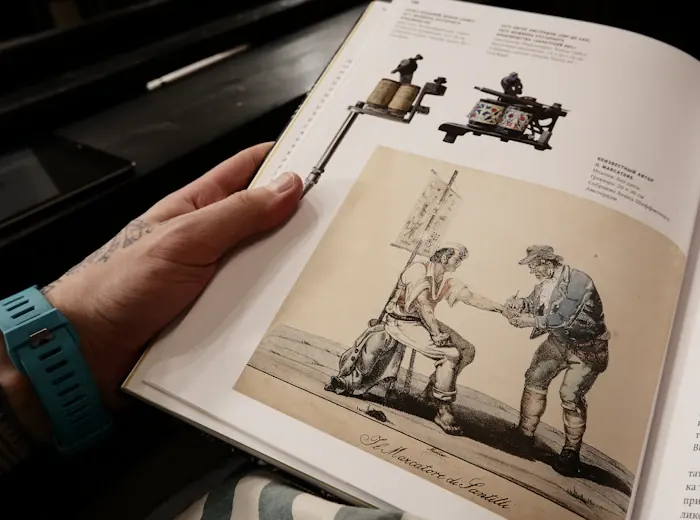
Plan the picture with the page in mind.
We consider page size, margins, nearby text and printing requirements while developing the artwork, so it has a natural place in the finished book.
- Trim & bleed
- Artwork composed to the final page size, with room for the edge.
- The gutter
- Faces and key details kept clear of the fold on spreads.
- Text & image
- Quiet areas left where type will sit.
- Print & screen
- Colour prepared for the printed book and for ebooks.
IX.Where the art lives
Prepared for your chosen edition.
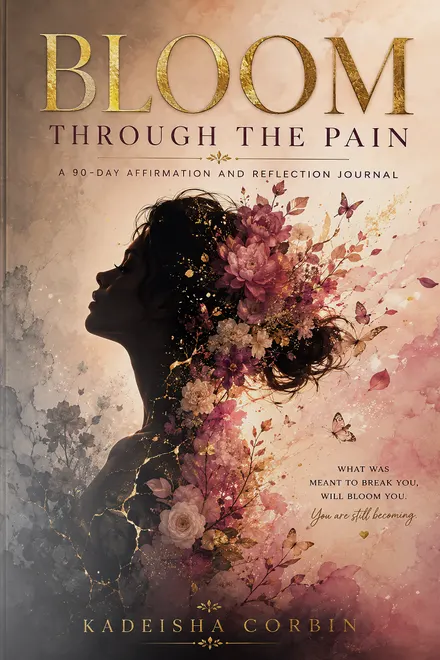
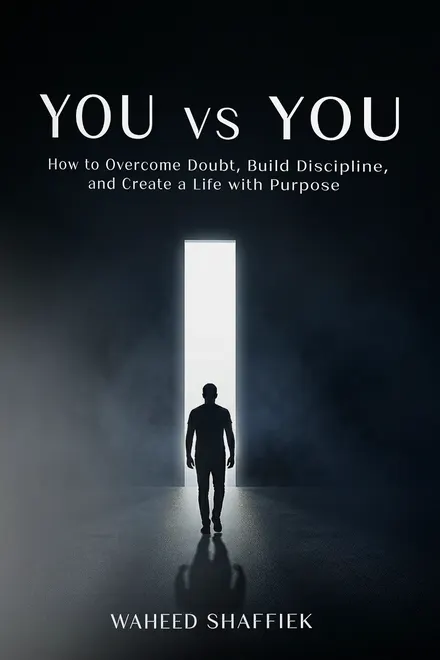
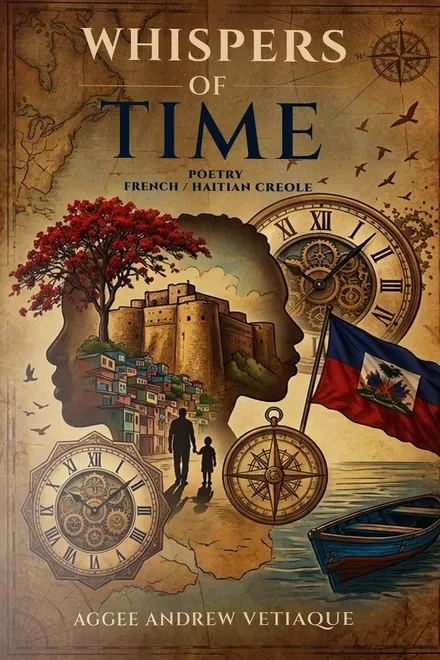
From the American Authors catalogue
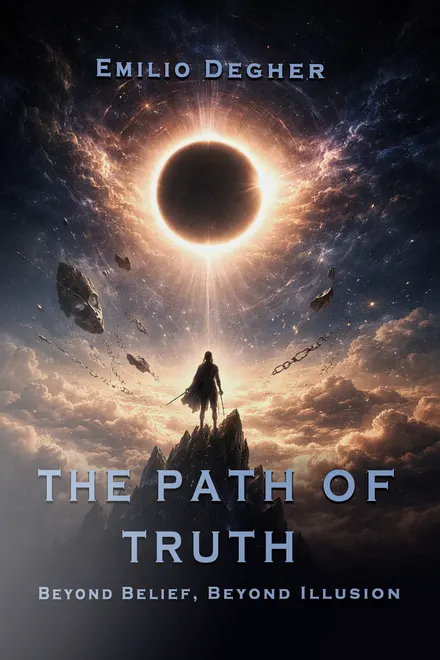
- iChildren’s Books
- iiNovels
- iiiMemoirs
- ivPoetry
- vEditorial Projects
- viEducational Books
- viiCoffee Table Books
- viiiSpecial Editions
- ixAuthor Branding
You have imagined the story.
Let’s work out how it should look.
X.Final artwork
The artwork, prepared for publication.
- Pl. 01Final illustration files
- Pl. 02High resolution artwork
- Pl. 03Print ready files
- Pl. 04Digital ready files
- Pl. 05Transparent PNG assets where appropriate
- Pl. 06Source artwork where included in the project scope
- Pl. 07Character / scene artwork
- Pl. 08Interior illustration assets
- Pl. 09Consistent visual direction across the project
XI.FAQ
Questions about book illustration.
Why do I need professional book illustrations?
Illustrations can clarify an idea, build a setting or help young readers follow the story. We can discuss where they would add something useful to your book.
What types of book illustrations do you offer?
Projects can include children’s books, character studies, cover artwork, interior drawings and complete scenes.
Can I choose the illustration style for my book?
Yes. We discuss references and sample approaches with you before settling on a direction.
How long does the illustration process take?
The schedule depends on the number of images, their detail and the review rounds. We agree on timing after reviewing the brief.
Will I own the rights to my book illustrations?
Usage rights are set out in your project agreement. We discuss publishing and promotional use before starting the artwork.
Do you provide illustrations for both print and digital books?
Yes. We prepare the agreed image files for the dimensions and formats your book requires.
How do I get started with my book illustrations?
Send us a synopsis, the intended age group and an idea of how many illustrations you need. Samples of styles you like are helpful too.

Start an illustration project
Let’s picture your story together.
Share the characters, places and moments you want readers to see.